A Complete Guide to Legal Audit in India
A Complete Guide to Legal Audit in India
A Comprehensive Guide to Legal Audit in India provides clarity on legal compliance and responsibilities for businesses. Companies are required to comply with laws and regulations to operate efficiently.
Legal audits ensure that companies adhere to statutory obligations. Further, legal audits assist in minimizing risk and enhancing governance. Complying with the myriad of legal frameworks in India, as well as the frequent changes to regulations, presents significant challenges for businesses in India. Legal audits, therefore, play a vital role in ensuring that businesses maintain compliance.
Understanding the Comprehensive Guide to Legal Audit in India
The Comprehensive Guide to Legal Audit in India begins with an explanation of what a legal audit is. Legal audits evaluate how well a business is complying with legal rules, regulations, and statutory obligations through an examination of contracts, policies, and operational procedures. During legal audits, auditors will identify areas of legal exposure and instances of noncompliance. In addition, auditors will provide recommendations for corrective actions to help improve the company’s legal framework.
The Importance of a Comprehensive Guide to Legal Audit in India
As a result of the increasing complexity of the legal and regulatory landscape, the Comprehensive Guide to Legal Audit in India highlights the Increasing Importance of Legal Audits for Businesses. To avoid potential legal penalties or lawsuits, it is important for businesses to obtain legal audits to ensure that they are complying with the applicable laws and regulations. Legal audits increase transparency and accountability throughout the organization. Legal audits will also result in improved corporate governance practices. The result will ultimately lead to enhanced trust in a company by stakeholders.
An Overview
The Comprehensive Guide to Legal Auditing in India addresses a variety of areas that require adherence to specific regulations. These include compliance with corporate law, labor law, taxation, and environmental or business-related legislation. A legal audit will further review all legal agreements, licensing documentation, and regulatory filings to ensure that all document types submitted are legally compliant. The end result of this legal audit is that businesses will be in full compliance with all applicable regulations.
The Process
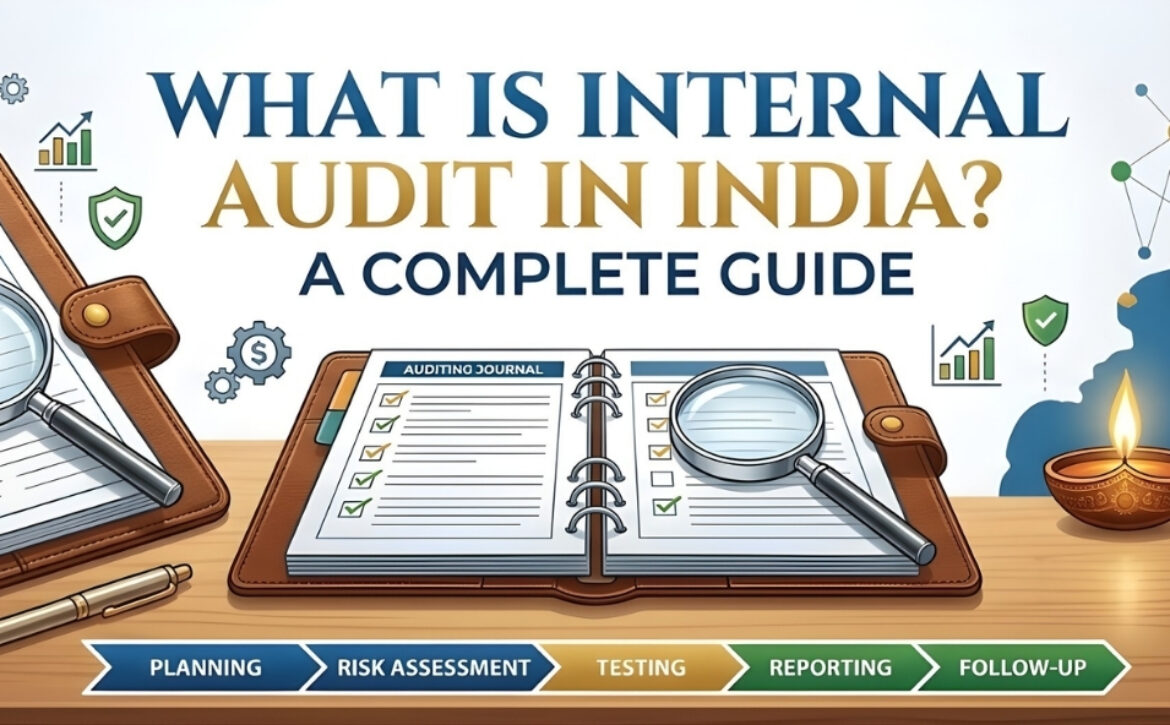
The Comprehensive Guide to Legal Auditing in India defines the legal audit process clearly. Legal auditors first determine the scope and objectives of the audit and then compile all pertinent documentation for review. Once the documentation has been compiled, the legal auditor will perform a compliance review to determine whether or not the legal entity has complied with all relevant laws. Once all of the legal entities have been reviewed, the legal auditor will make recommendations for corrective action and compile these recommendations into a formal report.
The Benefits
The Comprehensive Guide to Legal Auditing in India provides many benefits to businesses. Legal auditors will assist businesses in identifying legal risks before those risks become a major problem, thereby allowing businesses to avoid potential penalties or lawsuits. In addition to assisting businesses in avoiding legal problems, legal auditors will assist businesses in improving compliance with statutory regulations as well as operational efficiencies. Legal auditors will also assist businesses in developing enhanced internal controls and policies. As a result of these benefits, businesses will achieve financial security and long-term success.
Risk Management
A Guide to Legal Audits in India is important for risk management because legal risks can affect both your business’s operational performance and finances; therefore, through routine audits, these risks can be mitigated. Auditors assess compliance systems and controls; in addition, they will provide suggestions for improvements to help with risk management. As a result, companies are able to operate with confidence.
Role of Technology
A Guide to Legal Audits in India also explains how technology affects legal audits. Technology provides businesses with digital tools that make tracking compliance and creating documentation easier, which improves both businesses’ efficiency and accuracy. Automation provides continuous monitoring of legal obligations; by using data analytics, potential risks can be identified.
Therefore, the use of technology enhances the effectiveness of legal audits.
Challenges
The Guide to Legal Audits in India also outlines some key challenges facing companies when conducting audits, including frequent regulatory changes, which create complexities in ensuring compliance; thus, companies must continually keep themselves informed and in compliance.
Limited resources may also have an impact on the effectiveness of audits; therefore, companies often seek out the assistance of professionals to assist them with their audit processes.
The Future of A Complete Guide to Legal Audit in India is changing with the regulations.
Most businesses will move toward using digital compliance and reporting solutions more often. The movement from reactive to proactive legal audits will be the future slope of this evolution. Risks will be managed through the use of artificial intelligence and automated systems to help identify and monitor those risks. The efficiency of audits and the ability to use them more strategically will continue to improve.
A Complete Guide to Legal Audit in India is important to all businesses today because it helps with compliant operations, reduces risk, and increases governance and leadership. Companies must therefore regularly perform legal audits in their businesses. Those companies that are committed to strong compliance in their businesses will be better positioned to succeed long-term. Legal audits help to protect organizations and assist with long-lasting growth.